Hot water runs out early
A failed lower element or broken dip tube. The tank is fine; the delivery is not.
Repair or replace?
Water heaters rarely fail without warning — they leak a little, rumble, rust and run out early first. Here are the signs, what each one means, and which ones mean the tank is finished.
Short answer: if the problem is a part, repair it; if the problem is the tank, replace it. Moisture at a valve, a dead element, a pilot that won't hold — parts. Water pooling under the unit, rust at the base, rusty hot water that survives a flush — tank. Everything below sorts the common signs into those two piles.
A failed lower element or broken dip tube. The tank is fine; the delivery is not.
Sediment on the tank bottom. A flush fixes younger units and tells us the state of older ones.
Valves and fittings are replaceable. A steadily dripping T&P can also signal excess pressure — worth checking, not plugging.
Thermocouple first, gas valve second. Both are defined parts with defined prices.
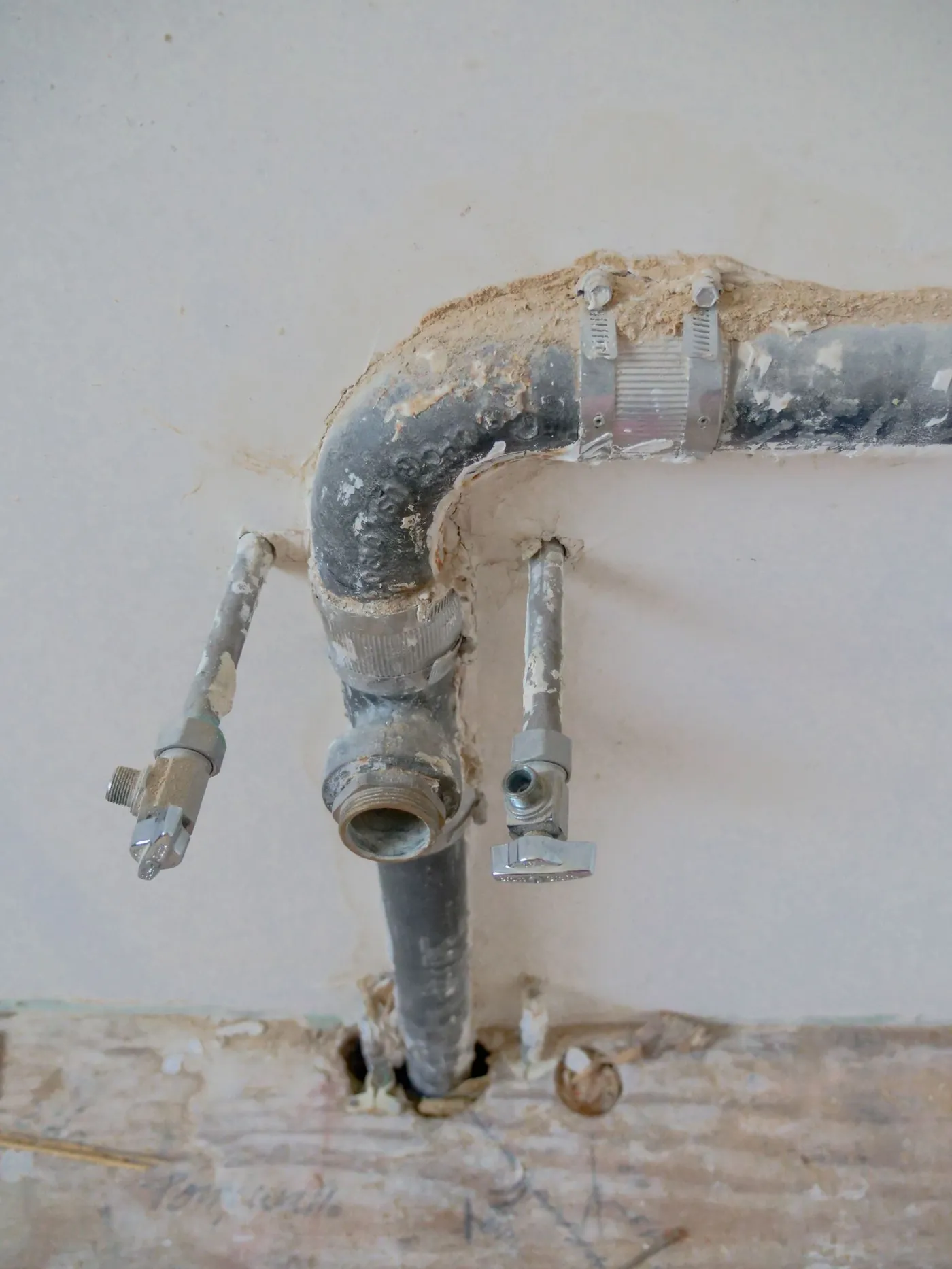
If the water is coming from the tank body rather than a fitting, the vessel has corroded through. There is no patch for that.
External rust at the seams means the inside is worse. Rusty water that a flush and new anode rod don't cure means the lining is gone.
A 12-year-old tank needing a gas valve or both elements is past the 50% rule — the next failure is already scheduled. Put the money in the new unit.
Two or three part failures in a year is the heater telling you its systems are aging together. Price a replacement before the next one.
A hissing or discharging T&P valve, steam, a gas smell, scorched wiring, or water spreading toward electrical outlets or a furnace — cut the energy source if you can do it safely (breaker off, gas knob off, water shut-off closed) and call. These are not watch-and-wait signs.
Once you know which pile your heater is in, the cost guide shows what each path runs, and the replacement page explains how a permitted Pflugerville change-out works.
Questions, answered
Lifespans, sediment noises and the repair-versus-replace line — the three questions behind every warning sign.
Repair it when the tank itself is sound and one part has failed — an element, thermostat, valve or thermocouple on a unit under about ten years old. Replace it when the tank body leaks, the base is rusting through, hot water comes out rusty even after a flush and anode change, or a repair quote passes roughly half the cost of a replacement on an older unit. The tank is the dividing line: everything bolted to it is replaceable; the vessel is not.
Tank water heaters typically last 10 to 15 years, and tankless units 20 years or more, with maintenance (Angi). Pflugerville's hard water pushes toward the short end of those ranges when flushing and anode care are skipped: sediment insulates and overheats tank bottoms, and scale chokes tankless exchangers. A maintained unit in this city should reach the middle of its range; a neglected one often doesn't.
That's sediment — a layer of hardened mineral from Pflugerville's 168 mg/L water sitting on the bottom of the tank. Water trapped under the layer flashes to steam and pops as it escapes, which is the rumble you hear. It's both a warning and a cause: the layer forces the burner or elements to work harder and overheats the tank bottom. A thorough flush usually quiets a younger unit; on an old tank with years of buildup, the damage may already be done.
Pflugerville Water Heater Pros
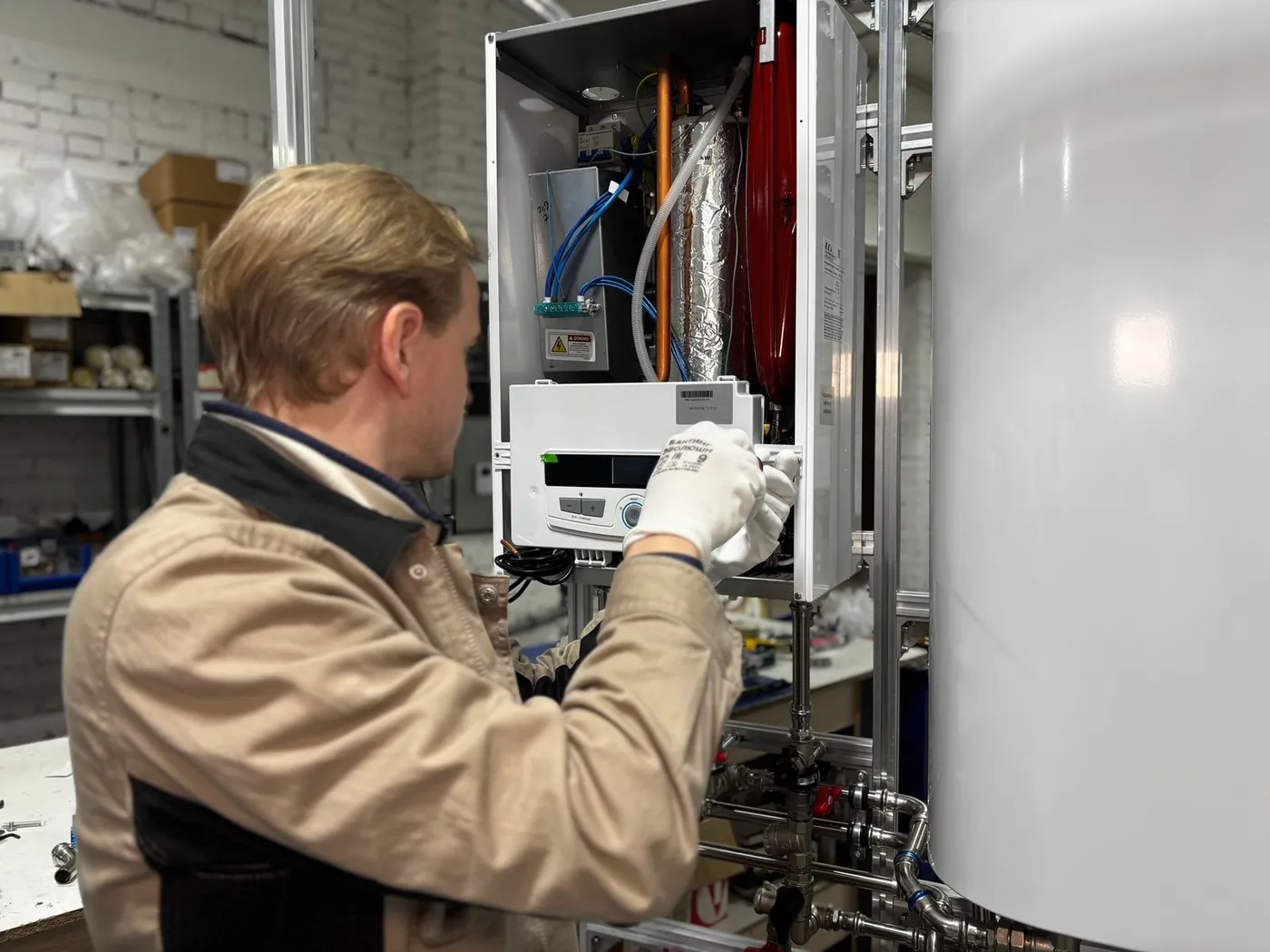
Describe it when you call — a rumble, a drip, rust, an age. We'll tell you honestly whether it sounds like a part or a tank.
Illustrative photo